

THE ROOTS OF RECOVERY
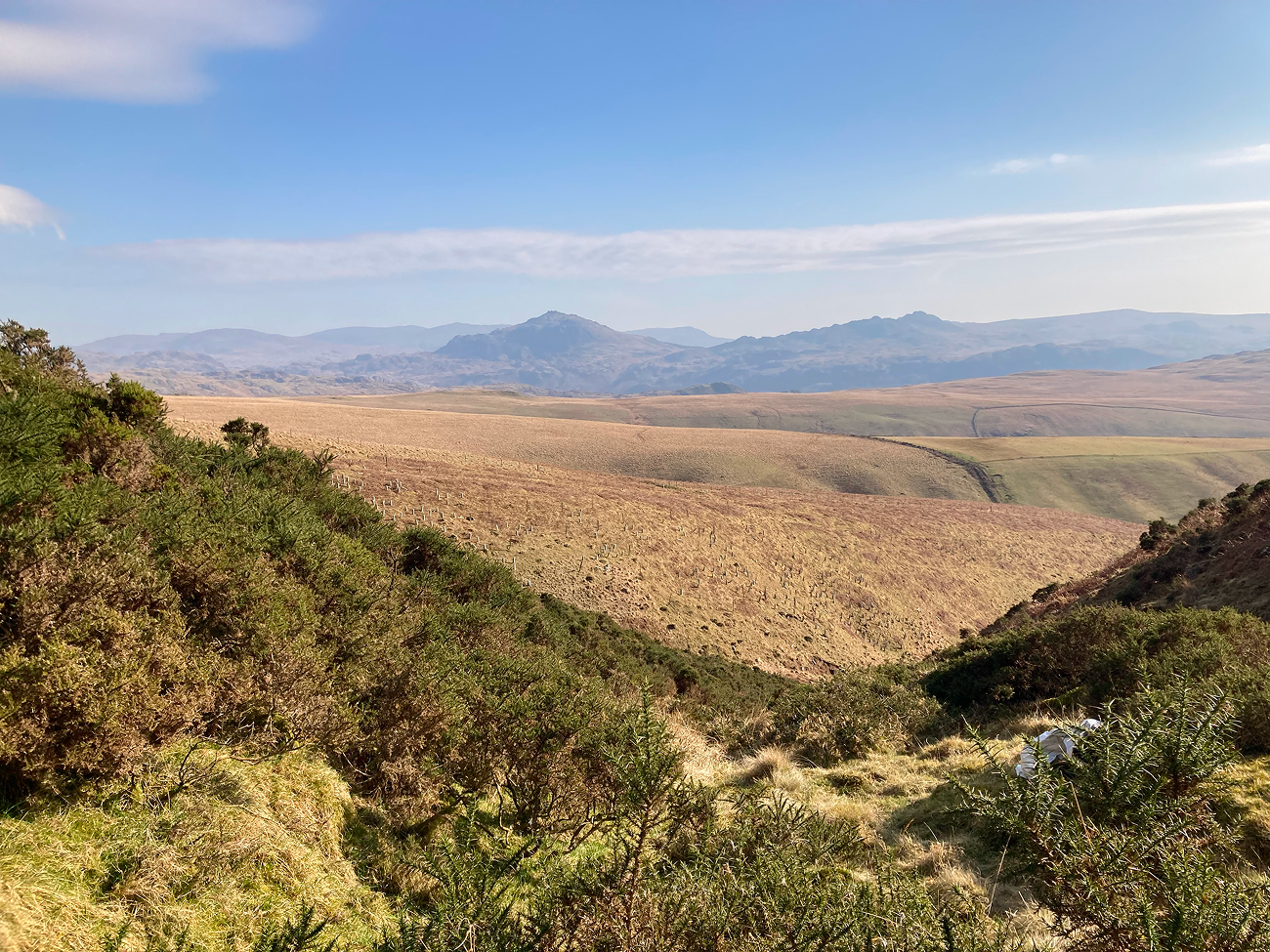

Launched in 2024, a nature restoration project is bringing biodiversity back to the Miterdale valley in the Lake District National Park.
When the project team first arrived in the valley, they faced a degraded landscape home to spreading non-native species and conifers – bookended by the mighty Scafell mountain.
Thanks to funding support from the Government’s Species Survival Fund, delivered by The National Lottery Heritage Fund in partnership with Natural England and the Environment Agency – as well as funding from Garfield Weston Foundation, the European Outdoor Conservation Association, the Copeland Community Fund and South Copeland GDF Community Partnership – things
are slowly changing.
It started with the removal of rhododendron to reveal young birch woodland and allow light to reach the forest floor. Rhododendron dries out species rich bogs and prevents the establishment of native trees and scrub. Without it, bogs can provide excellent homes for flowers, birds, mammals, and fungi.
Fences were upgraded to prevent over-grazing as the team began planting native species including oak, hazel, birch and rowan. The trees can sustain hundreds of species of invertebrate, which will attract native birds such as tree pipits and cuckoos, while wildflowers will help restore ground flora and provide a source
of pollen for bees and butterflies.
The work has been carried out with the help of local communities, with volunteers taking the opportunity to develop skills and restore their landscape. School groups have put up bird boxes and helped with tree planting.
Native trees of oak, birch and rowan can sustain hundreds of species of invertebrate.

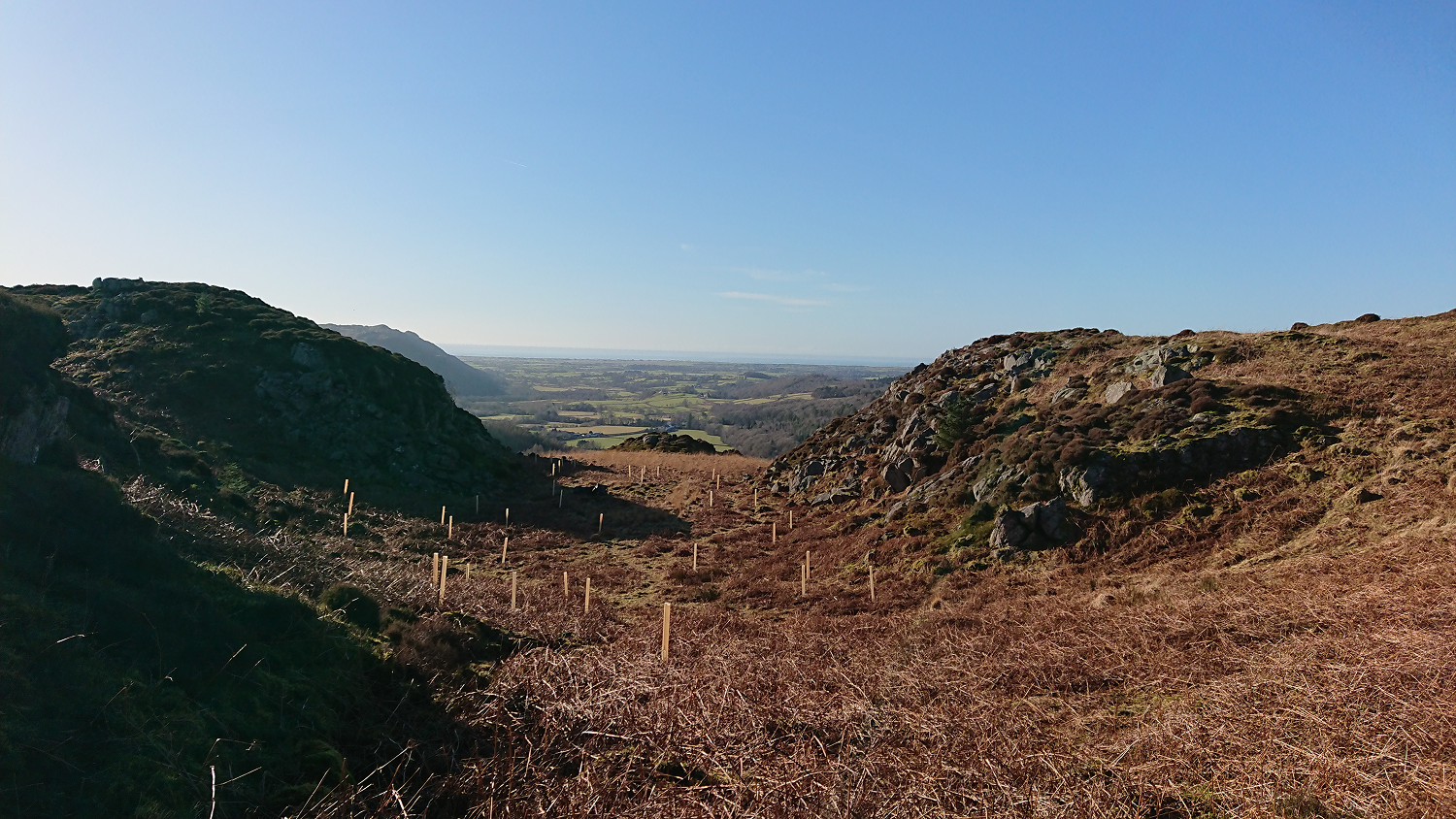
“It’s such a unique partnership to bring together the local community, Forestry England, the National Trust and the University,” says project leader Professor Dominick Spracklen (MChem 1999, PhD Environment 2005). “Guided by Leeds knowledge, we’re starting to see nature restoration in Miterdale.”
They’ve taken lessons from the neighbouring Leeds project at Hardknott Forest and Duddon Valley, which also form part of The Alliance for Northern Nature, a groundbreaking partnership to create and revive heathlands, woodlands and peatlands, and encourage wildlife to return.
“From creating more climate change resilient ecosystems, to discovering the true potential of temperate rainforest to reduce flooding, our findings can be applied not just across the UK, but around the world.”
Read more about the Alliance for Northern Nature, a groundbreaking partnership to bring biodiversity back to the UK.
 Built with Shorthand