

THE DUCHESS, THE CHANCELLOR, AND THE MUSIC TEACHER

THE DUCHESS, THE CHANCELLOR, AND THE MUSIC TEACHER
When the Duchess of Kent’s death was announced earlier this year, tributes flooded in from scores of Leeds alumni, academics and supporters.
The outpouring of grief at the 92-year-old’s passing was unsurprising given she was the figurehead of the University for more than 30 years. Vice-Chancellor and President Professor Shearer West said, “Our fifth and longest-serving Chancellor, Her Royal Highness had an enduring association with the University of Leeds.”
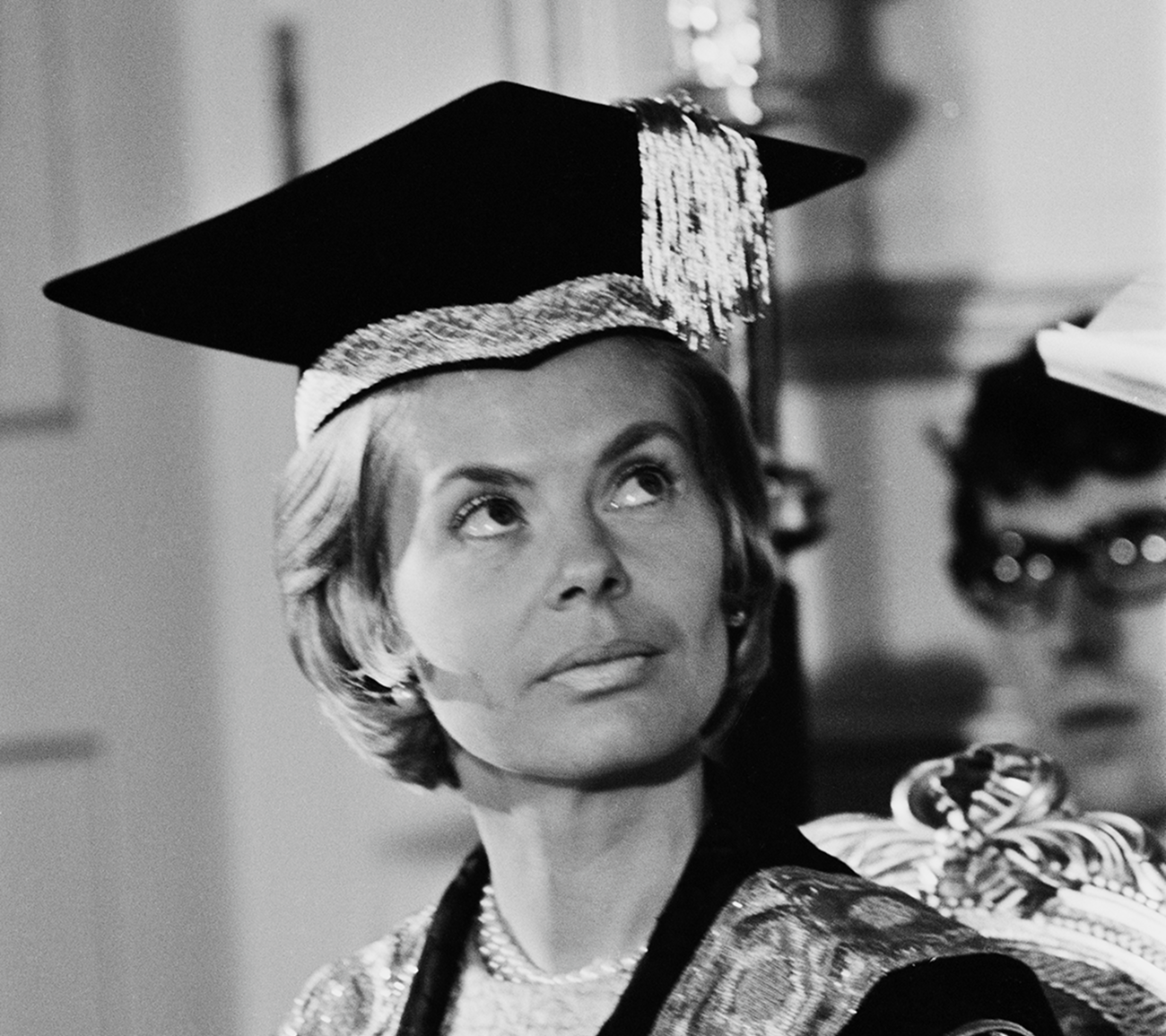
Between 1966 and 1999 the Duchess conferred degrees on thousands of graduates in the Great Hall, an experience many alumni remember to this day. But behind the pomp of graduation there was a complex and immensely talented person, whose quiet dedication to public service only became fully apparent in the latter years of her life.
Born Katharine Worsley in 1933, the Duchess entered the Royal Family when she married Prince Edward, the Duke of Kent, a first cousin of the late Queen. She was born in Hovingham Hall, near York, and maintained a lifelong connection with the region. Lord-Lieutenant of North Yorkshire Johanna Ropner described her as a “down to earth, good Yorkshire lady” who showed “great empathy”.
When it was announced that she was to become Chancellor of Leeds, student newspaper Union News reported that Vice-Chancellor Roger Stevens was “absolutely delighted”.
She threw herself into the role immediately. The University archive holds reams of photos from the Duchess’ time at the University. One print shows her dancing in 1968 with the President of the Leeds University Union, Jack Straw. The one-time student politician would later go on to serve as Home Secretary and later Foreign Secretary.
For many, the Duchess’ public displays of compassion showed a different side to the Royal Family. This came to international prominence in 1993 when she was handing out trophies at Wimbledon after Czech player Jana Novotná lost to Steffi Graf in the women’s final. When the 25-year-old, who had been 4-1 ahead in the final set, burst into tears, the Duchess leaned forward and gave her a royal shoulder to cry on.
The Duchess was a talented pianist, singer and violinist. She failed to gain a place at the Royal Academy of Music upon leaving school, but her passion for the arts endured throughout her life. During her time as Chancellor the Duchess began to attend the Leeds International Piano Competition, later becoming a patron. The competition’s founder, the late Dame Fanny Waterman, wrote: “She took a real interest in the competitors and never failed to put them at ease.”
But her greatest contribution to the arts initially remained a secret. In 1996, while still Chancellor, she began working as a music teacher at Wansbeck Primary School in Hull. Known to the staff as Mrs Kent, the only person who was aware of her true identity was the headteacher. She gave a 40-minute music lesson to the children every week, and worked with the school’s choir.
Ann Davies, who was headteacher at Wansbeck at the time, told the BBC: “Her enthusiasm with the children brings out the best in them and thanks to Mrs Kent music is now a strength at the school. She is an inspirational music teacher and the children love working with her.”
Her passion for music and educating children led her to establish the charity Future Talent in 2004, which supports those from low-income households to develop their musical abilities.

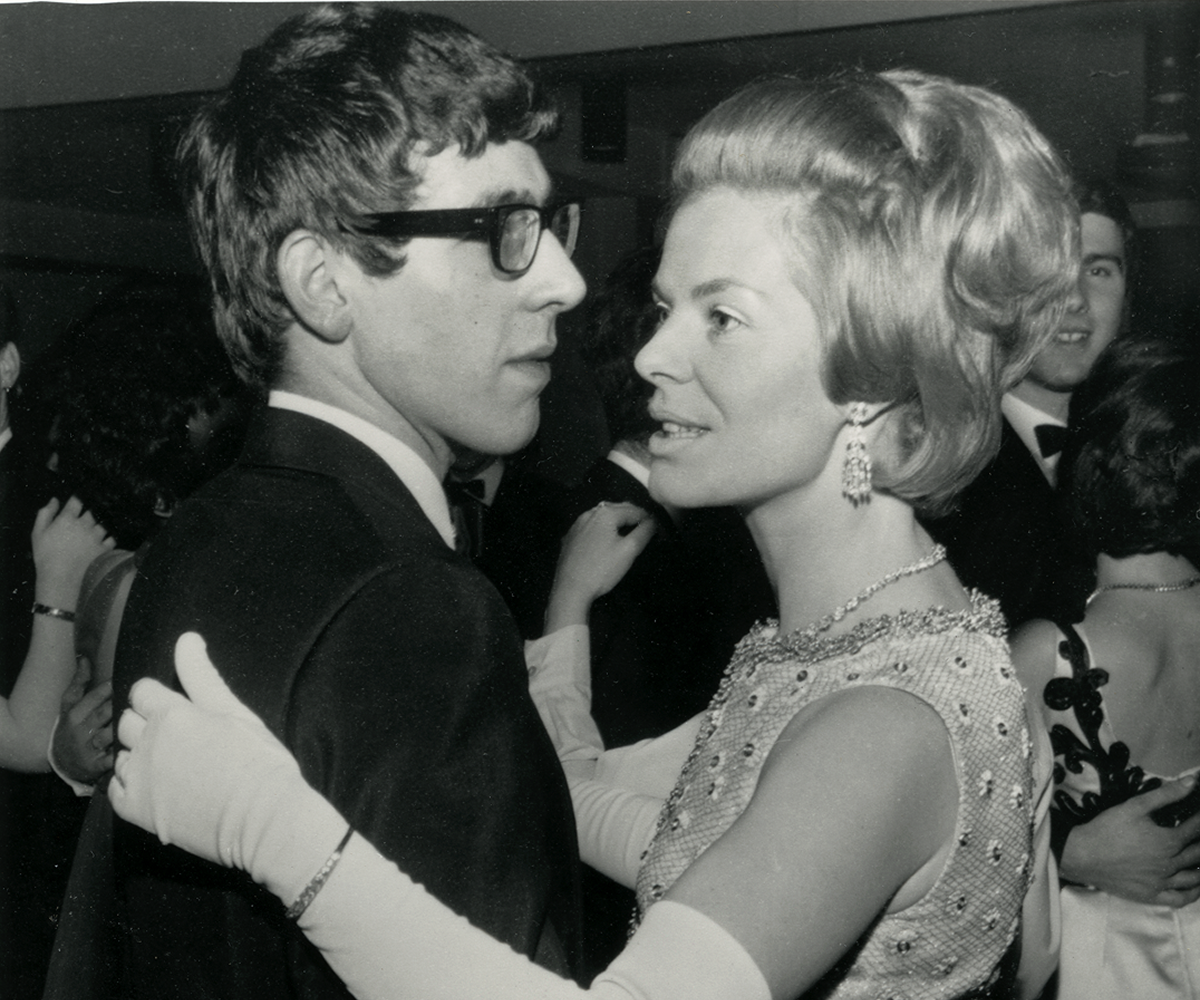
The Duchess enjoying a dance with Union President Jack Straw - later Foreign Secretary
The Duchess enjoying a dance with Union President Jack Straw - later Foreign Secretary
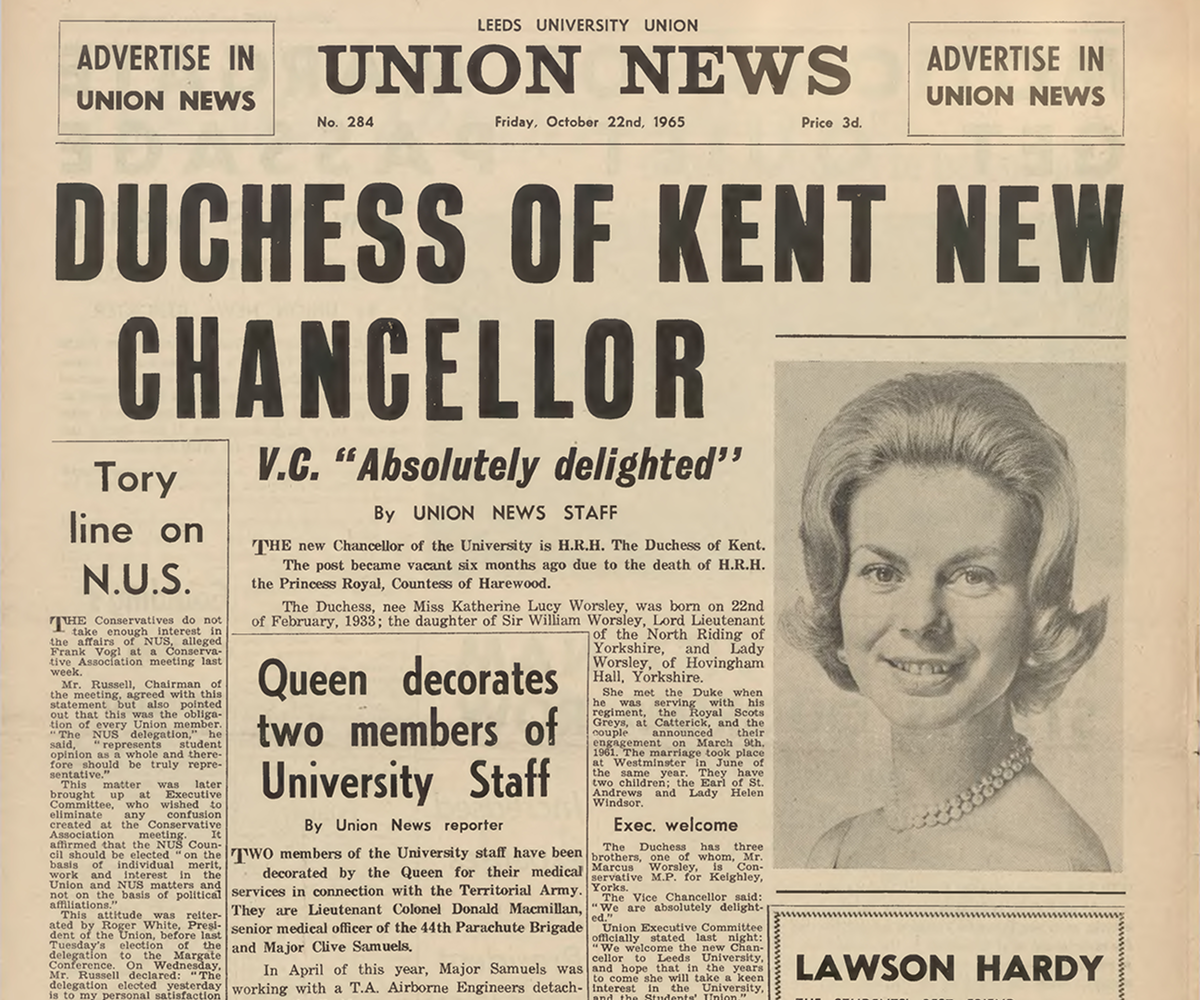
The Union newspaper announced the Duchess as Chancellor in 1966
The Union newspaper announced the Duchess as Chancellor in 1966
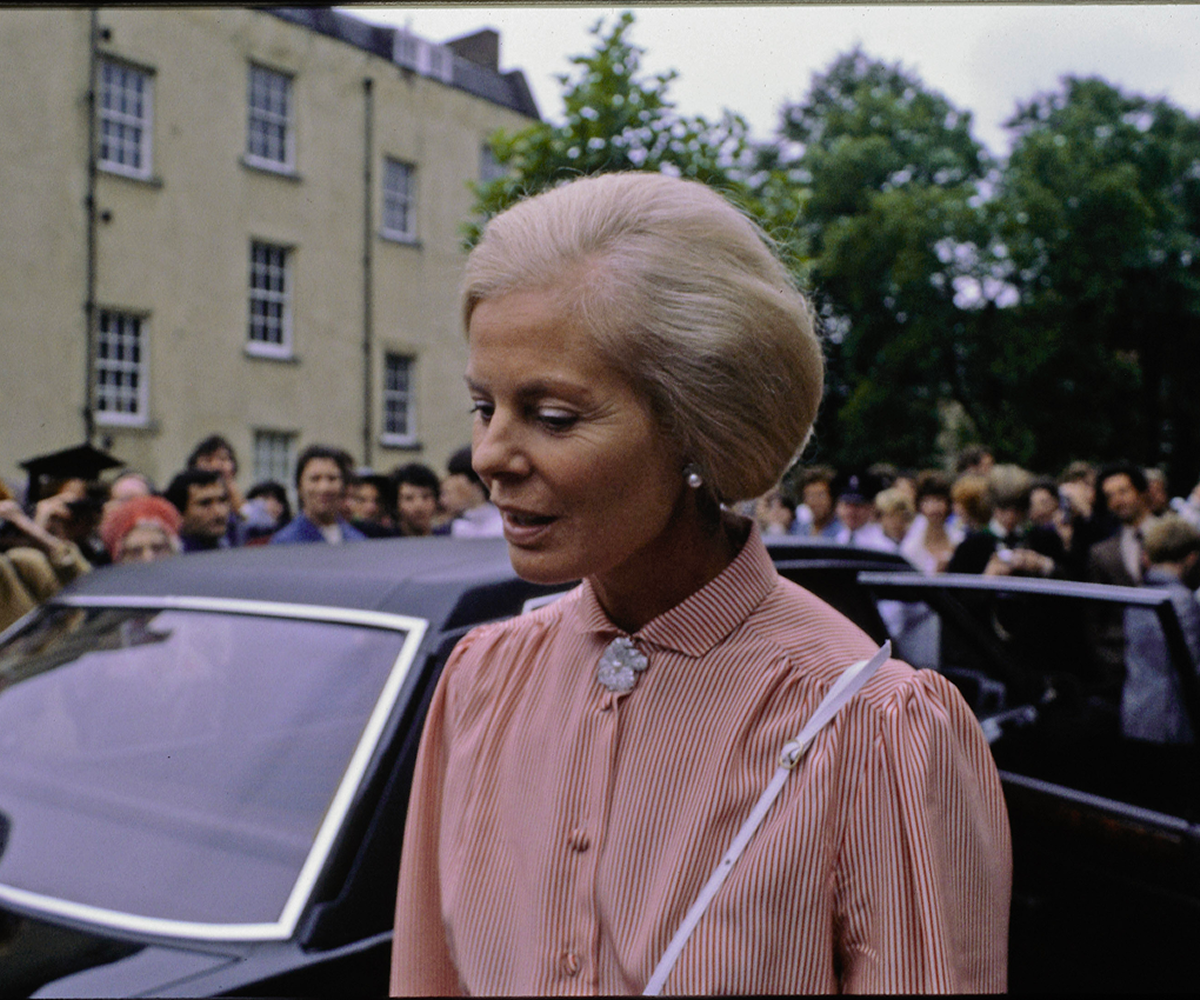
The Duchess was the figurehead of the University for more than 30 years
The Duchess was the figurehead of the University for more than 30 years
In her final decades she came to refer to herself as Katharine Kent. “I don’t like being a public figure and I say that very humbly,” she admitted. “It’s my nature, the way I was born. I like to do things quietly behind the scenes. I’m a very shy person.”
The Duchess’ contribution to the University is immortalised in the name of the Worsley Building. The brutalist monolith has been the home of the Schools of Medicine and Dentistry for more than 40 years. It continues to act as a reminder of the role played by the Duchess or – to use her favoured title – Mrs Kent.
The Duchess is just one of a number of significant figures mourned by the University over the past twelve months.
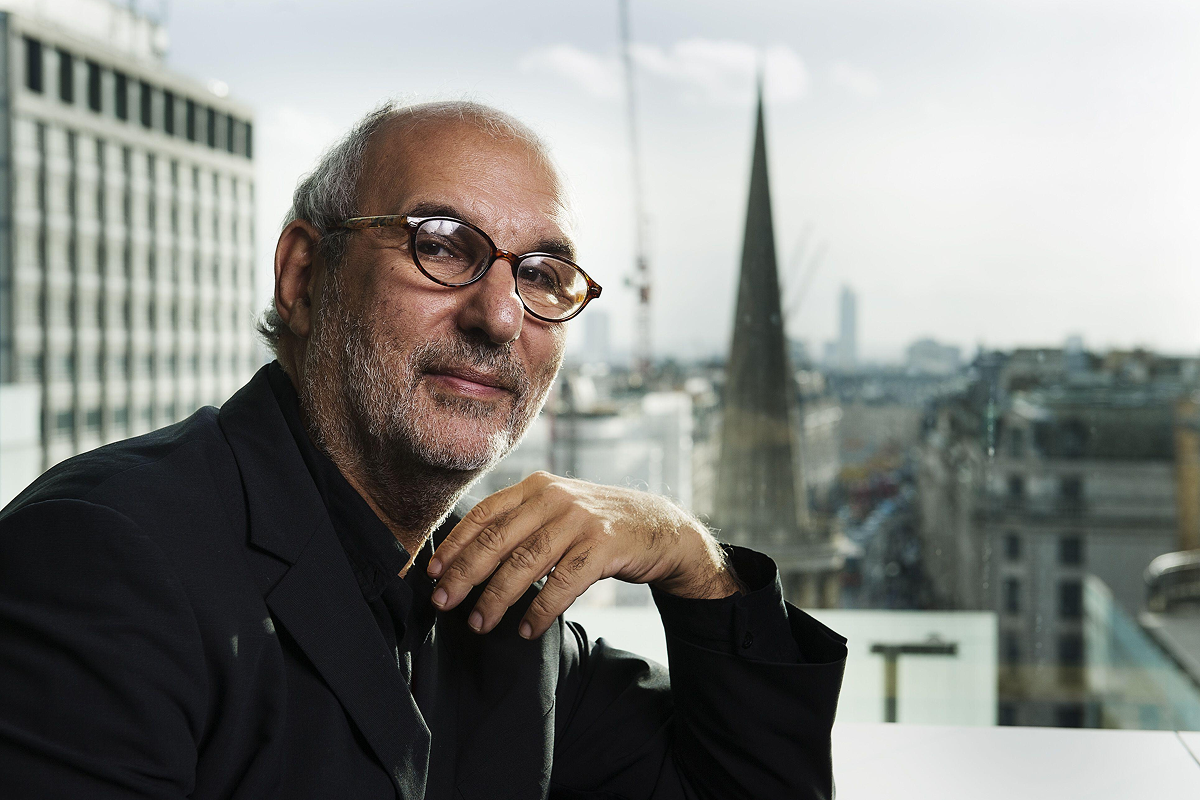
Alan Yentob
Described as “the most influential broadcaster in Britain over the last 50 years”, Alan Yentob (Law 1968, Hon LLD 2010) helped bring hits like Strictly Come Dancing, The Great British Bake Off, The Office, The Thick Of It, and Dragon’s Den to the screen.
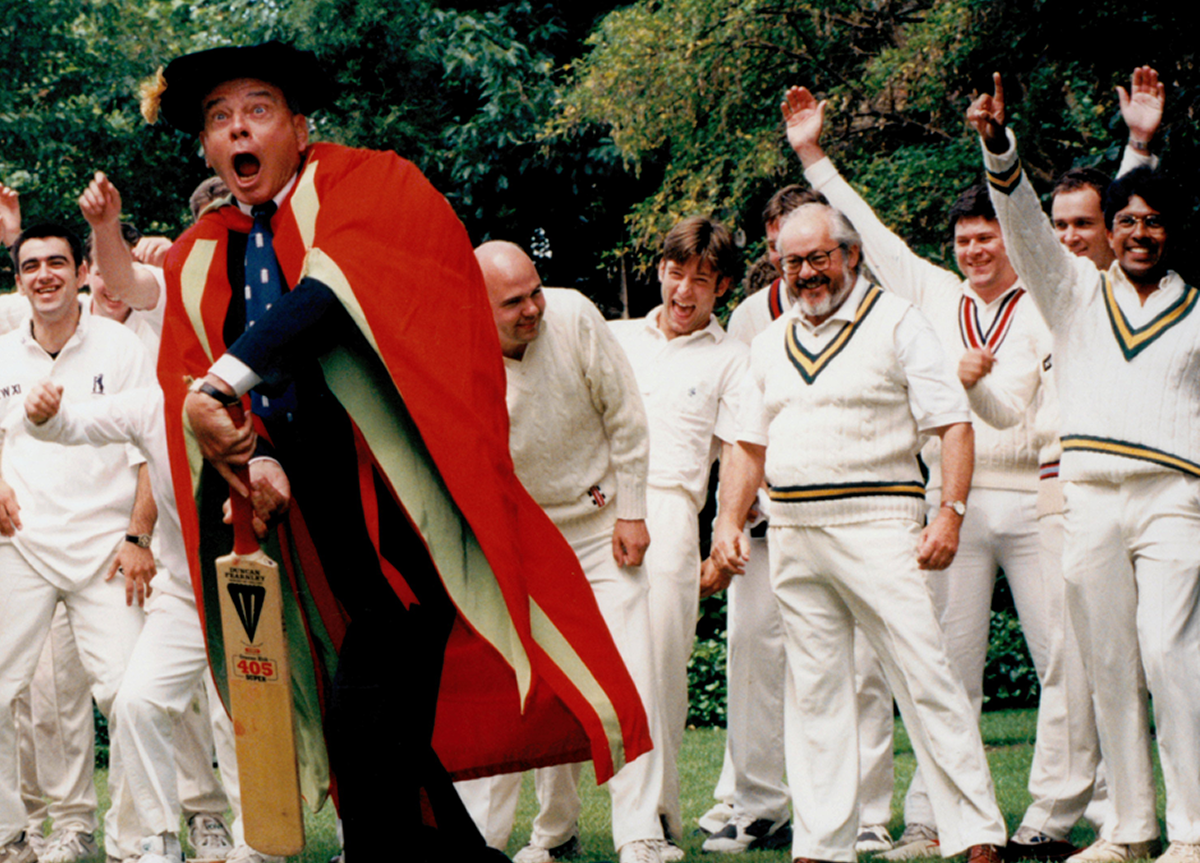
Harold ‘Dickie’ Bird
The iconic cricketer and umpire was synonymous with Yorkshire. Bird (Hon LLD 1997) was described as “one of the greatest characters in Yorkshire’s history” and received an honorary doctorate in recognition of his contribution to sport and the county.
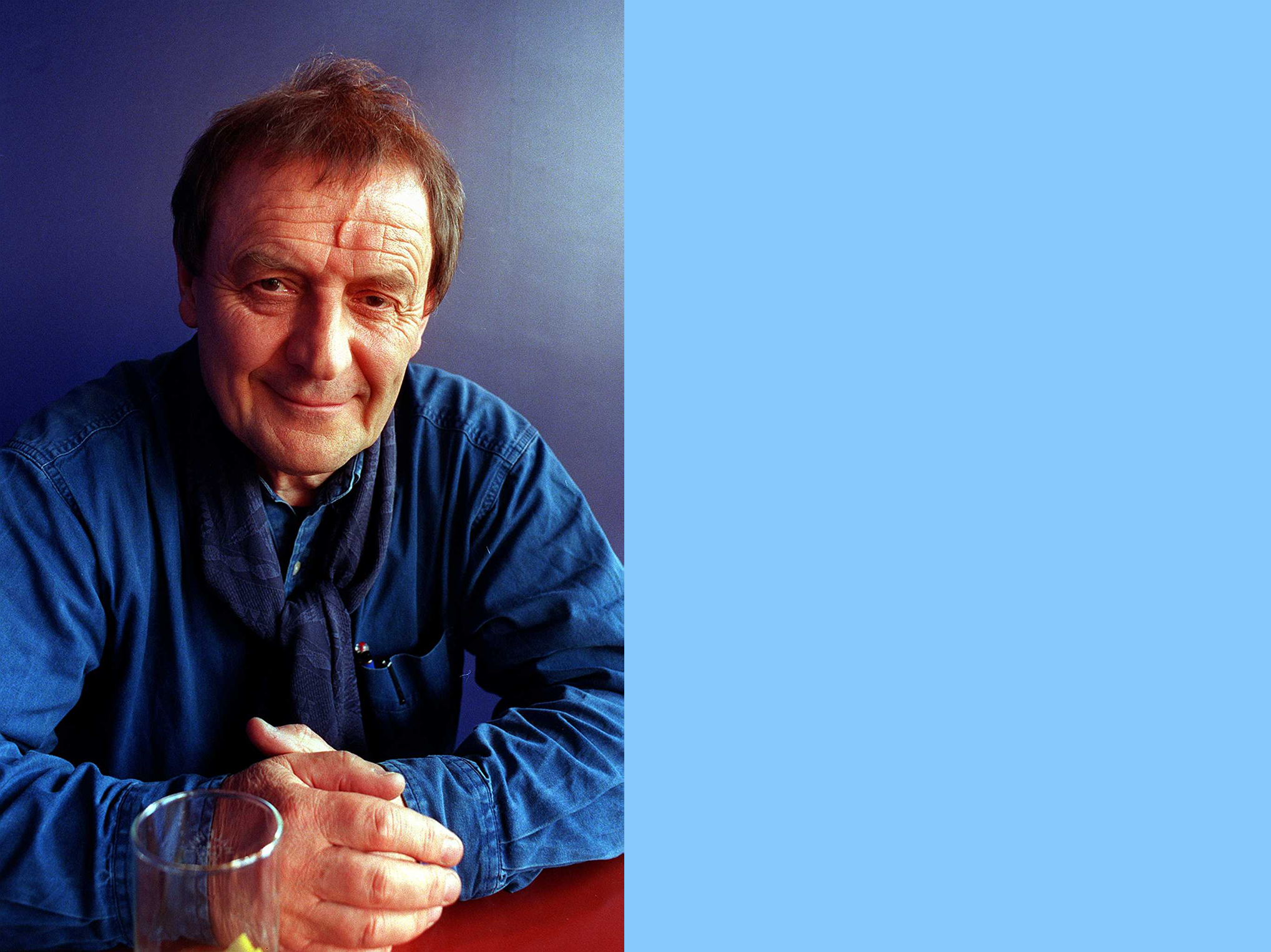
Tony Harrison
The prolific writer (Latin & Linguistics 1958, Hon DLitt 2004) used his distinct Yorkshire voice throughout his work, from his seminal poetry and work with the National Theatre to his time reporting from warzones in Baghdad and Sarajevo as war correspondent for The Guardian. Borrowing its title from one of his best-known works, the exhibition [uz] [uz] [uz] in the Stanley and Audrey Burton Gallery celebrates artists of working-class backgrounds and runs until 2026.
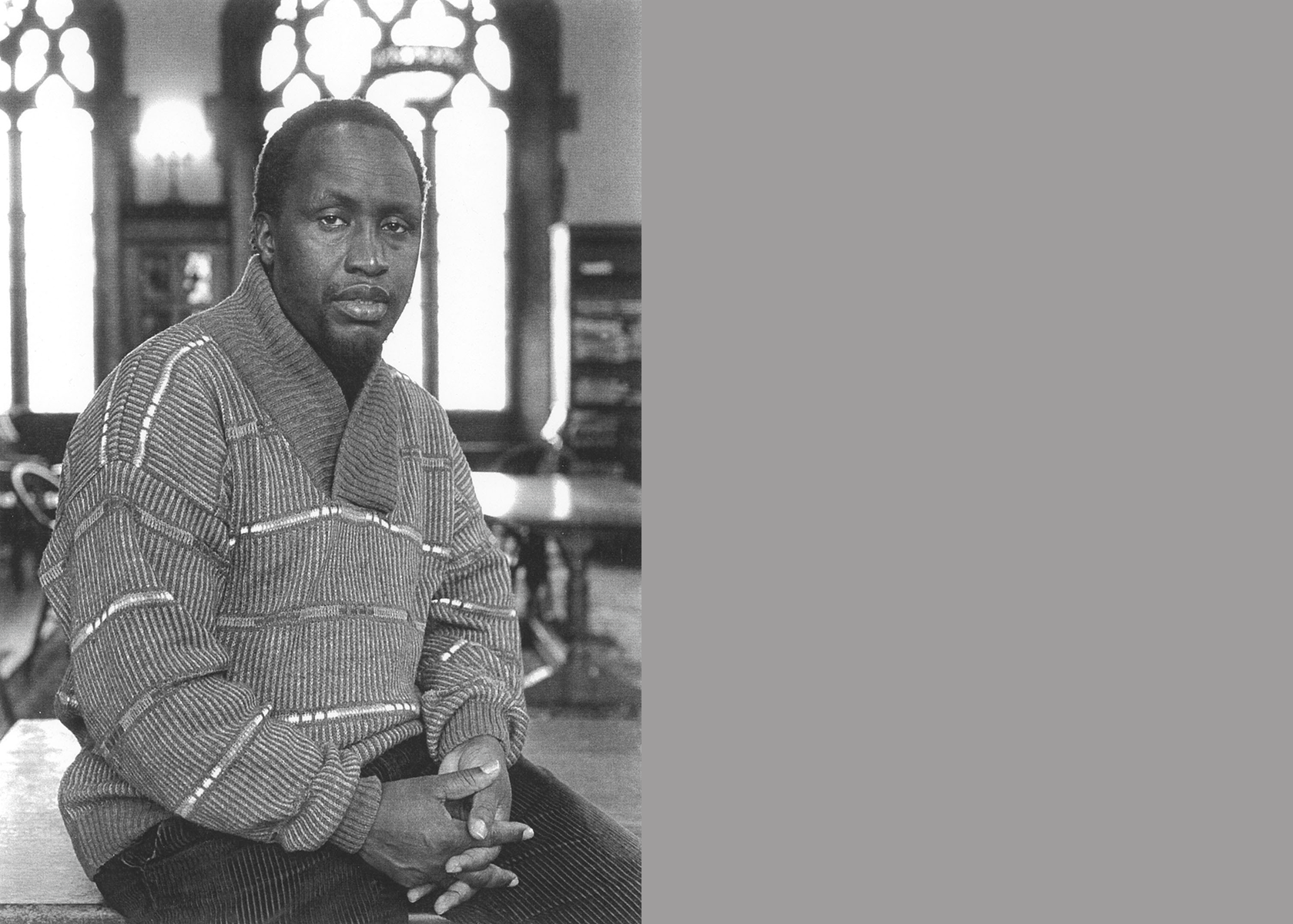
Ngugi wa Thiong’o
Pioneering Kenyan writer, dramatist, theorist and activist Ngugi wa Thiong’o (Hon DLitt 2004) studied for an MA in English at Leeds in the 1960s. Despite not completing his studies, while in West Yorkshire he wrote his third novel, A Grain of Wheat, which explores a small community's experience of the Mau Mau war. Forced into exile in the 1980s during the country’s authoritarian dictatorship, he spent the rest of his life in the USA.




 Built with Shorthand