

ARE WE FAILING OUR CHILDREN?

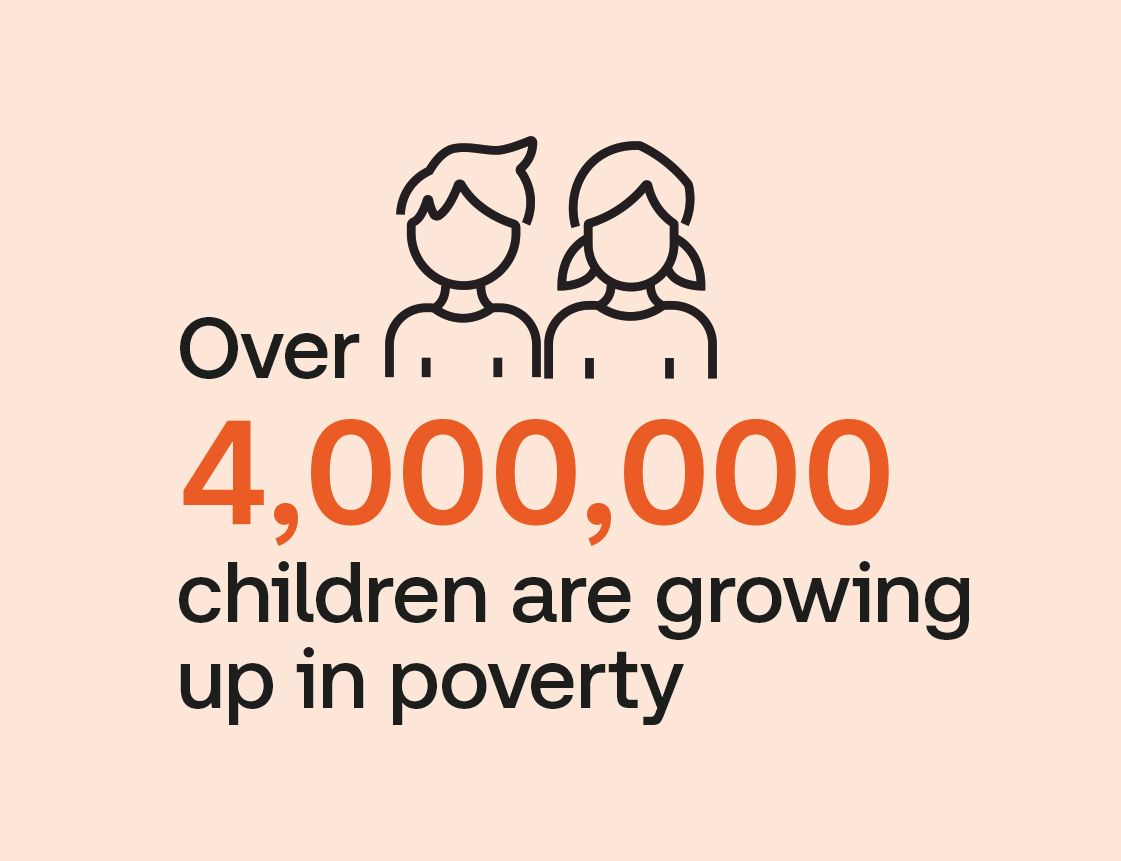
The answer is yes, absolutely. We are failing our children in many different ways. Let’s just look at the numbers. Over four million children are growing up in poverty – and many go to school hungry. Around a third of five-year-olds lack the basic skills to start school. We have endemic problems of tooth decay and malnutrition.
Children with autism and special educational needs are 14 going undiagnosed and unsupported for years; many thousands of young people are denied the opportunity to enjoy physical activity. Children growing up in the North of England are more likely to live in poverty than in other parts of the country, and this can have consequences which persist throughout their lives.
I am an executive member of the Born in Bradford programme which brought the NHS clinical community together with researchers from the Universities of Leeds, York and Bradford to track the progress of thousands of young people. The data we have collected is transforming our understanding of the barriers to children’s health and development.
Bradford isn’t unique. In many ways the district is a microcosm of the UK, with urban and rural populations and a rich ethnic diversity. In places like Ilkley, we have some of the wealthiest areas in the country; in the inner city we have some of the poorest. Similarly, in Leeds, we see a growing number of children living in poverty.
The more you look at these children’s lives, the more you understand the extent to which their long-term life chances are determined by their early years – the houses they live in, the quality of the air they breathe and the education they receive both at home and in school.
Their whole lives can be impacted by living in poverty – even from before birth.
There are also some serious structural problems in the UK, chiefly around the integration of services provided by schools, the NHS, social care and the police. All these agencies want to give children the very best support, but they are on their knees, always having to deal with day-to-day issues with increasingly scarce resources. Even with the best intentions, they too often end up working in their own silos.
Sadly, many issues have become worse since the pandemic. There’s a whole cohort of children who missed out on pre-school nursery, which is often where they develop social skills and learn to play together. Our research has shown that this lack of nursery experience greatly elevates the risk of mental health problems later in life. It also increases the risk they will end up out of education, employment or training, with negative long-term consequences, both for themselves and for the economy.

Through a community of researchers, we are taking a scientific approach to these problems; connecting the academic community to clinicians, schools and the police to provide the evidence needed by policymakers – and give recommendations for action. These include:
- Interventions in the pre-school years to support language, literacy, and socio-emotional development;
- Rapid assessments of autism, disabilities and special educational needs;
- Funding for schools to provide before-school, after-school and holiday club services;
- Putting the arts at the heart of a primary school curriculum;
- Tackling tooth decay by restricting the sale of sugary drinks, alongside water fluoridation and supervised toothbrushing programmes;
- A greater emphasis on physical activity and nutrition in schools;
- Giving all children access to digital devices to develop the skills they will need in the workplace.
We also need to build partnerships between schools, local authorities, community organisations and healthcare services both to tackle the school attendance crisis and to address why children offend or become victims of crime – and more readily spot those most at risk.
Education is one of the most powerful tools we possess to change children’s futures and we know from the schools which are really facing up to these issues, that education can put these children back onto a healthy trajectory, with a bright productive future ahead of them.
Our work puts the relevant data and evidence-based recommendations into the hands of those who can genuinely make a difference. And in the five years before I retire, I would like to see these patterns of deprivation reversed as Britain’s academic community plays a key role in building a country that works for all children and young people.
Education can put these children back onto a healthy trajectory, with a bright productive future ahead of them.
Child Health Outcomes Research at Leeds (CHORAL) is funded by Leeds Hospitals Charity, the University of Leeds and Leeds Teaching Hospitals NHS Trust. Established in 2023, CHORAL is investing in training the next generation of child health research leaders and building a centre of research excellence that will change the future for children everywhere. CHORAL brings together doctors, researchers and community groups to find new ways to help children grow up healthier and happier.
Our work in children’s oral health exemplifies our approach. 25% of five-year-olds have tooth decay – rising to 50% in deprived areas – affecting their ability to eat, sleep and play. A child may wait many months for a hospital appointment to have teeth removed, often suffering with painful toothache while they wait. Having multiple teeth removed can also have a detrimental impact on their self-esteem, affecting their ability to engage with others.

Professor Peter Day, children’s oral health specialist at the University of Leeds, co-leadsthe BRUSH project, launched in 2021, which aims to address the crisis in children’s oral health by supporting the implementation of supervised toothbrushing in nurseries and schools, and through an open-access online toolkit.
This work influenced the Government’s recent commitment to spending £11m on supervised brushing programmes which will reach 600,000 children in areas where this work is needed the most.

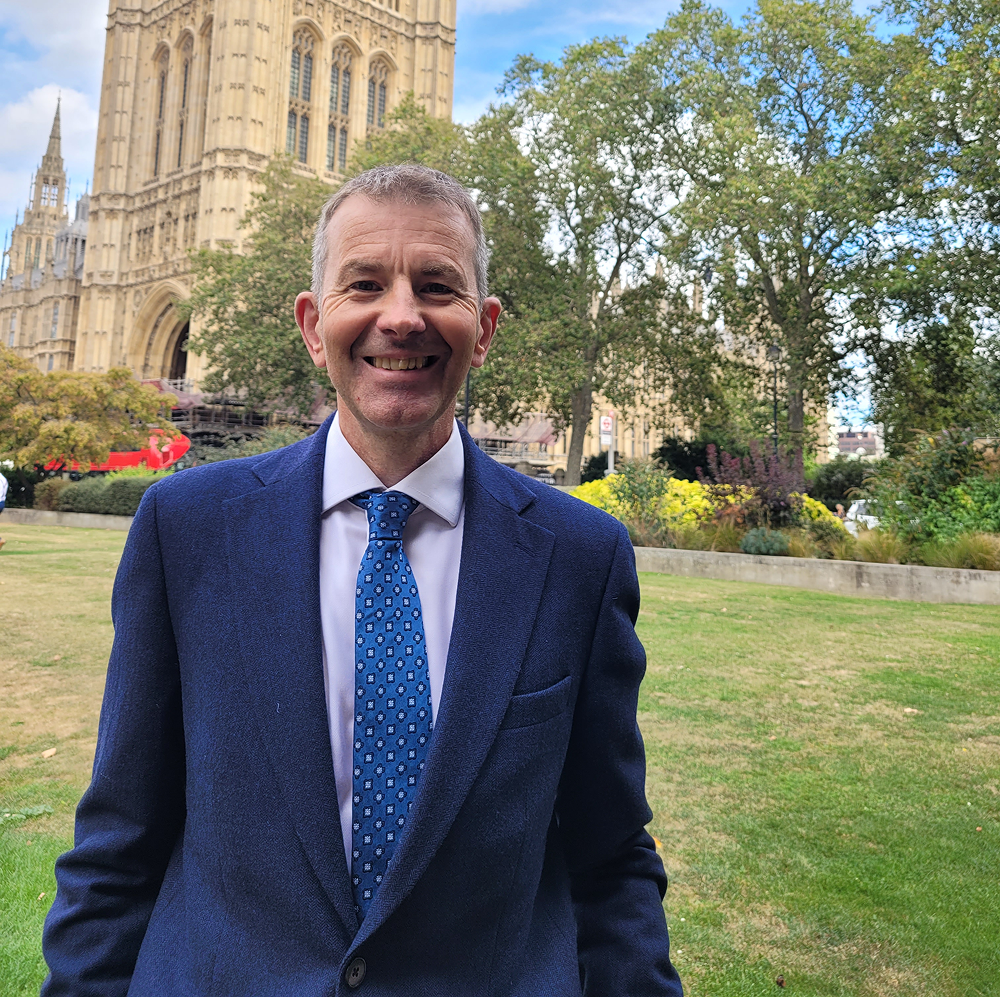
Mark Mon-Williams is the University’s Professor of Cognitive Psychology and Deputy Chair of the Department for Education’s Science Advisory Council. Here he discusses inequalities faced by young people in disadvantaged communities – and how research is helping policymakers address these critical issues.
 Built with Shorthand